
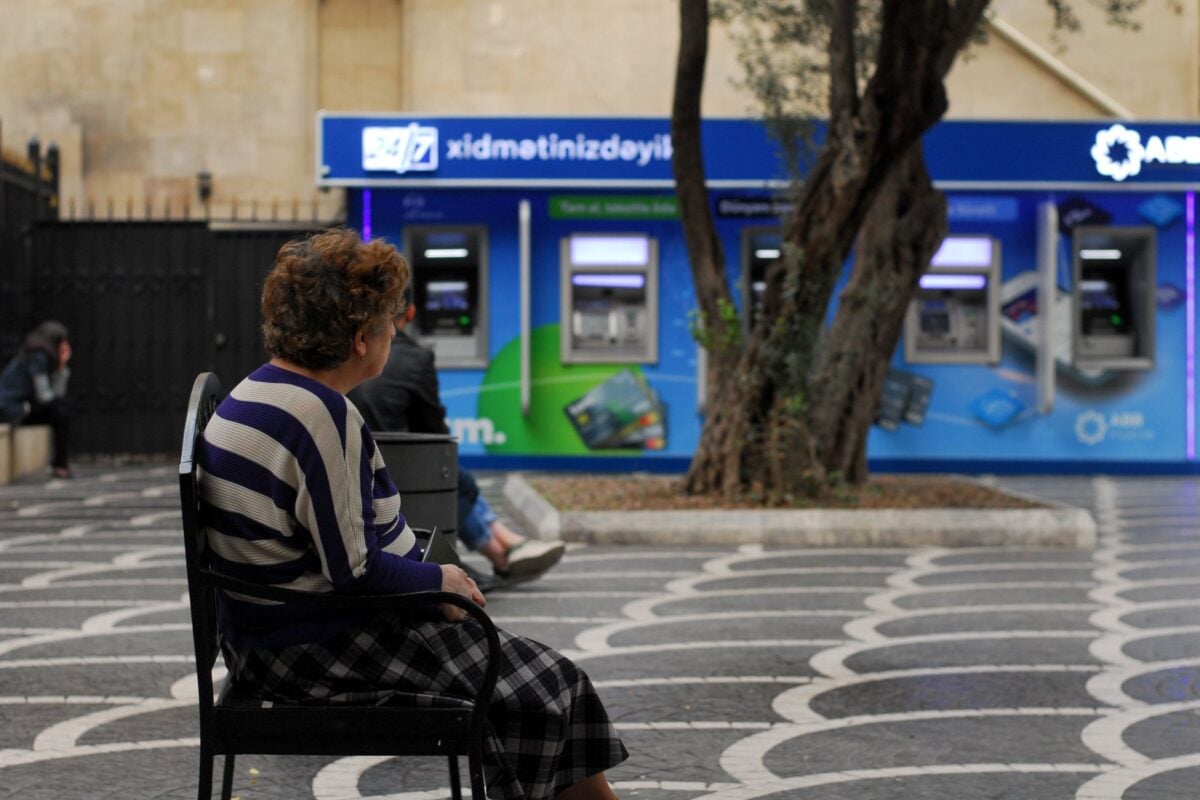
My mother stood at my pharmacy counter on a Thursday afternoon in September with her coin purse open, counting quarters onto the plastic tray like she was buying a pack of gum.
The copay on her heart pill was $47. I had already rung it up. The total sat there in green numbers on the little screen between us, and she kept counting.
“Thirty,” she said under her breath. “Thirty-one. And there’s a dime. And another dime.” She looked up at me and smiled the way she smiles when something is wrong. “I’m short, honey. I’ll come back Friday.”
There were two people behind her in line. One of them was a man from the feed store I had known since high school, holding a box of allergy tablets and looking very hard at the greeting card rack so he would not have to see my mother count dimes.
“Mom, it’s fine,” I said. “Put it away.”
Get a new story in your inbox every morning.
Facebook doesn’t show you every story we post. Our free newsletter does. Join 2,500+ readers.
“No, I don’t want you paying for my medicine.” She snapped the coin purse shut. “Harlan gives me my forty on Friday. I’ll be back Friday afternoon, and you can hold the bag for me till then.”
I have worked as a pharmacy tech for nineteen years. I know what it means when a seventy-three-year-old woman wants us to hold her heart pill for a day. It means she will skip a dose. Sometimes two.
I took a twenty and a twenty and a five and two ones out of my own wallet and laid them on the tray.
I ran it through before she could argue. Then I handed her the bag and asked the man from the feed store to give me one minute.
He nodded like it was nothing. “Take two, Lacey.”
I came around the counter and walked my mother out the front door, past the reading glasses and the seasonal candy, and stood with her on the sidewalk in the September sun.
My mother’s name is Wilhelmina Grote. Everybody in Sedalia calls her Willa. She stitched shoe uppers at the factory out on the highway for thirty years, the same machine, the same row, the same lunch pail.
She can still tell you the lot number on a pair of work boots by looking at the seam.
She retired three years ago, at seventy, with a small pension from the factory. I had always been glad about that pension.
It was the one thing in her life that felt finished and fair, thirty years of standing on a concrete floor turned into a check that came every month for as long as she lived.
“Mom,” I said. “How much is your pension?”
She shifted the pharmacy bag from one hand to the other. “It’s eleven hundred and forty dollars. You know that. You helped me read the letter.”
“I know. So where does it go?”
She looked down at her shoes. They were the brown lace-ups she had bought the year before she retired, worn soft and pale across the toes, and one of the laces had been tied together where it had broken.
“Harlan set it all up when I retired,” she said. “It goes in his account at the bank. He handles the bills. He always has.”
“And what do you get?”
“I get my forty on Fridays.” She said it plainly, like it was weather. “It’s plenty, Lacey. It covers the beauty shop every other week and my plate at church and a little something for the grandkids at Christmas.”