
Cecil Rainey leaned on the gate of my mother’s barn lot with a rope halter over his shoulder, and he grinned at her like he had just done her a favor.
“Free breeding, Edna Mae,” he said. “Most folks pay good money for that. You ought to be thanking me.”
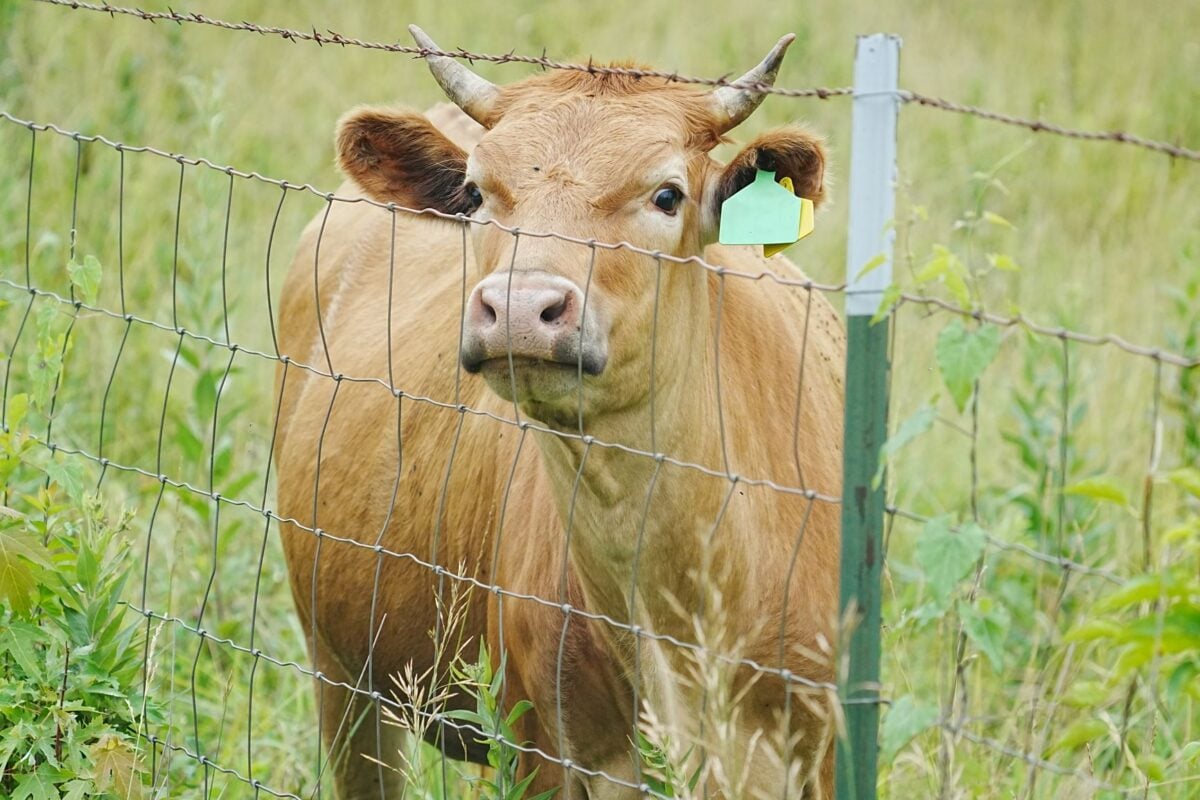
It was the fourth time that summer his bull had come through her fence. He stood out in the middle of her yearling heifers with his big head up, chewing, like he owned the place.
Mom is 71 years old. She stood there in her barn boots with a bucket of sweet feed in one hand, and she did not say one word back to him.
I was standing a step behind her. I had driven over that Saturday morning to drop off a few bags of mineral, and I walked right into the middle of it without knowing a thing.
Get a new story in your inbox every morning.
Facebook doesn’t show you every story we post. Our free newsletter does. Join 2,500+ readers.
“Cecil,” I said. “Get him out of here.”
“I’m getting him,” he said, still smiling. “Lord, Abner, it’s a bull. He goes where the girls are. You can’t hold that against him.”
He caught the bull at the water trough, worked him out the gate and walked him down the road toward his own place. The bull went along easy, the way an animal does when he knows the trip by heart.
Mom set her bucket down on the ground. Her hands were shaking a little, and I could not tell whether it was from being 71 or from being mad.
“That’s four,” she said quietly.
“Four what?”
“Four times since June.” She looked out at her heifers. “The vet was here Tuesday. Six of them are bred, Abner. Six.”
I knew what that meant before she said anything else, because I grew up on this place and I know what she does with those heifers.
My mother raises registered Angus heifers. She has done it for close to 30 years, on 40 acres of good grass in Augusta County, with the Blue Ridge to the east of her kitchen window and the Alleghenies behind the barn.
She keeps the papers in a green ledger in the kitchen drawer. Every heifer has a name, a number, a sire and a dam written in her square handwriting, going back three generations.
In the fall she sells them as bred heifers to young couples starting out and to older men building their herds back up. She breeds them herself, artificial insemination, to bulls with calving-ease numbers she spends all winter studying.
That is the whole point. A buyer pays more for one of Mom’s heifers because he knows exactly what is in her belly and that she will have it without a fight in the middle of a February night.