
Tracy told me at the post office counter on a Wednesday morning in May, while I was weighing a box of chick waterers for a man from the co-op who was in a hurry to get back.
She did not wait for him to leave. She stood right behind him in line with her keys in her hand and said it over his shoulder, like it was weather.
“The girls lost Tuesdays and Thursdays at the park,” she said. “I gave the slot to my boys. We need the field more than ever this year, Kari.”
The man from the co-op took his receipt and looked at me, then at her, and then he looked at the floor and went out the door without saying goodbye.
I put the scale back to zero. I have worked that counter three mornings a week for nine years, and I have learned to keep my hands busy when somebody says something I do not like.
Get a new story in your inbox every morning.
Facebook doesn’t show you every story we post. Our free newsletter does. Join 2,500+ readers.
“Where are the girls supposed to practice?” I asked her.
“The church lot is empty on weeknights,” Tracy said. “There’s plenty of room. They can play catch there. It’s only twelve-and-under softball.”
The church lot is gravel. It is gravel with a drainage grate in the middle of it and a basketball hoop on the north end that the youth group put up in 2009.
Twelve girls, eleven and twelve years old, sliding into second base on crushed rock. That was what my husband’s sister was offering my daughter’s team.
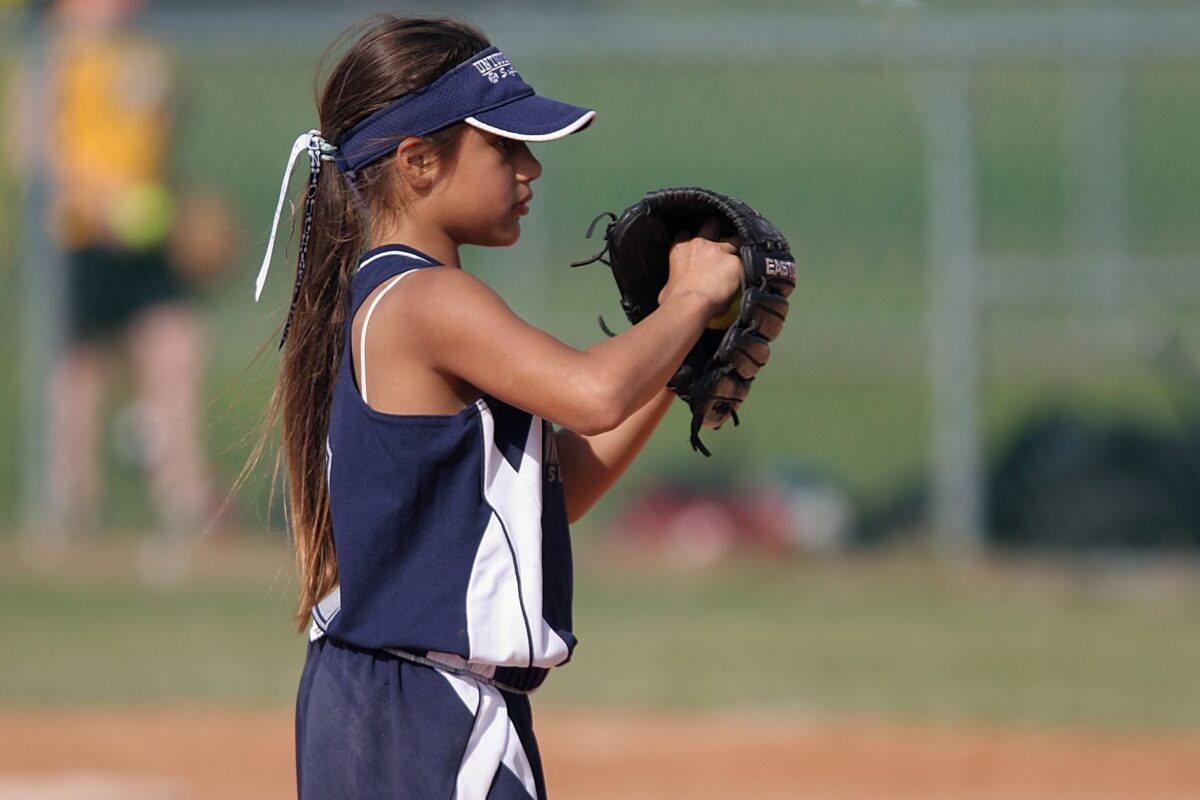
My daughter is Rylee. She is eleven, and she pitches. She had waited two whole years to be old enough for that team, and she had practiced in our machine shed all winter.
I want to be fair to Tracy, because I have been married to her brother for sixteen years and I know her.
She is not a cruel woman by habit. She is a busy one.
She coaches her son’s baseball team, and she sits on the town rec board, and the board lets her make the field schedule because nobody else wants to do it. She has done it for six years.
That spring her son’s team had won their district for the first time anybody could remember.
They were headed for the state tournament in July, and Tracy had decided that was what mattered.
“They have a real shot,” she told me, still standing there with the next customer waiting. “The girls can have the field back next year. Softball can wait one summer.”
I said, “Okay, Tracy,” and I asked the woman behind her if she needed stamps. I did not raise my voice. I did not say any of the things that were in my mouth.